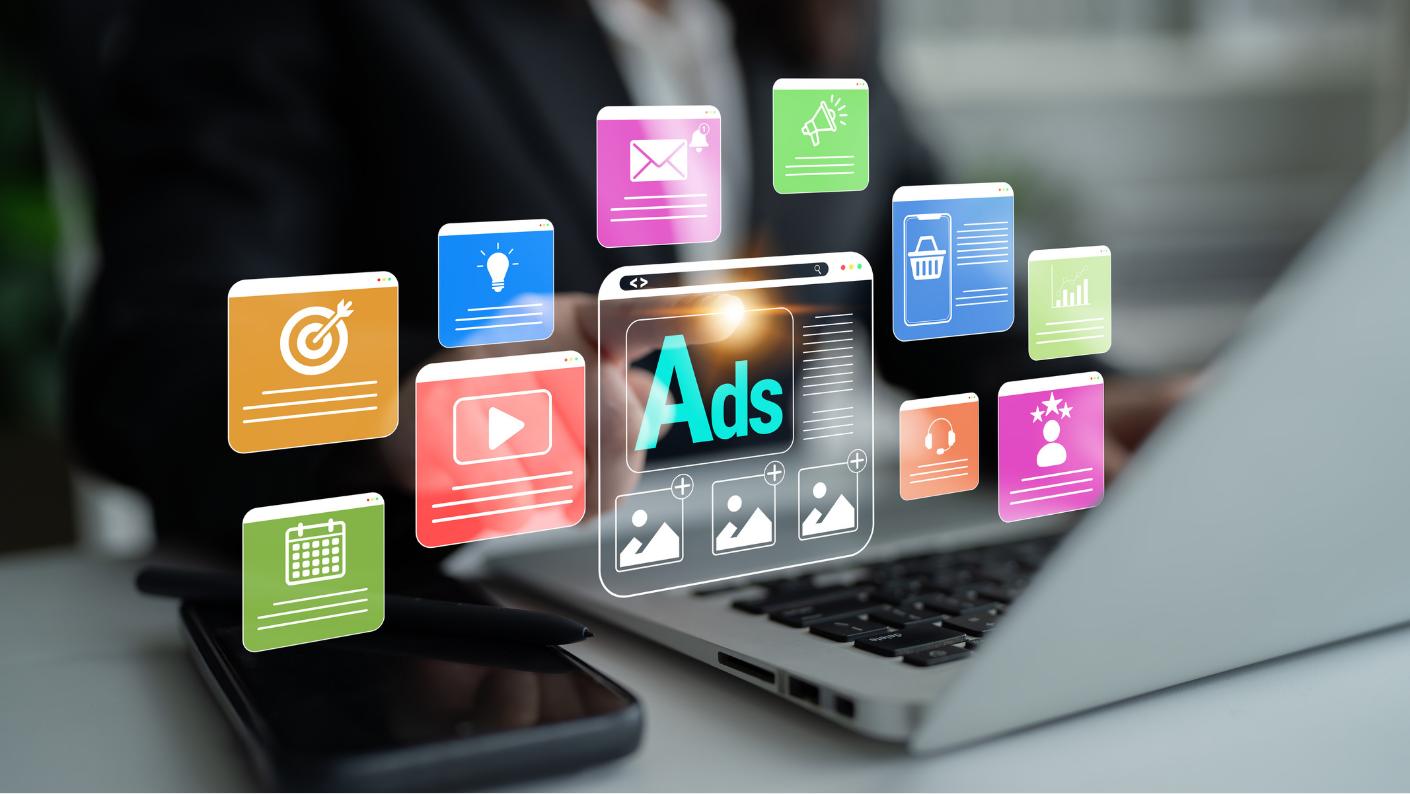
Paid media is no longer a side tactic in nonprofit fundraising. It plays an increasingly important role in how organizations find, engage, and grow their supporter base across the full donor lifecycle.
Today’s donor acquisition environment looks very different than it did a decade ago. Donor files are aging. Acquisition costs continue to rise. Audiences increasingly consume information and engage with causes through digital channels. At the same time, nonprofits face growing pressure to attract new generations of supporters and create sustainable pathways for long-term donor growth.
Paid media provides unique opportunities to reach audiences that may have never engaged with an organization before. By leveraging behavioral signals, interests, philanthropic tendencies, and real-time audience insights, organizations can identify prospective supporters who are more likely to connect with their mission. Rather than relying on broad outreach, paid media enables more precise targeting and stronger audience alignment.
The benefits extend beyond acquisition. Paid media can support retention, renewal, reactivation, and upgrade strategies as well. Organizations can use first-party data from existing supporters to reconnect with lapsed donors, strengthen renewal efforts, and build more relevant experiences across the donor lifecycle.
One of the most common goals our experts hear from nonprofit leaders is the desire to grow younger and more diverse donor files. Paid media has become an important tool for helping organizations move toward that objective through more sophisticated targeting and audience discovery capabilities. When paired with deeper donor intelligence from tools like GivingDNA, those campaigns can be informed by a clearer understanding of who an organization’s best prospects are and how they’re most likely to engage.
That’s why AGP views Integrated Media Solutions as more than paid advertising. It’s a full-funnel growth system that can support awareness, acquisition, retention, reactivation, upgrades, and long-term donor value creation. When used strategically, paid media is not simply another channel. It becomes a growth engine that helps organizations build stronger fundraising programs over time.
Paid Media Works Best Inside an Omnichannel Strategy
Of course, paid media shouldn’t operate in isolation.
One of the biggest misconceptions is the belief that omnichannel fundraising simply means digital marketing. Omnichannel fundraising includes every way an organization interacts with its community, both online and offline. Direct mail, telephone fundraising, events, canvassing, websites, email, paid media, advocacy, and social channels all play a role in shaping the supporter experience.
The most effective strategies recognize that supporters move through different stages of engagement. Some people are learning about an organization for the first time. Others may be considering a first action, such as signing a petition, downloading content, or joining an email list. Others may be ready to donate, volunteer, or participate in an event. Paid media can support each of these stages when campaigns are intentionally designed around a full-funnel strategy.
This is where integration matters most.
Coordinated paid media campaigns can reinforce direct mail, amplify awareness efforts, support donor acquisition, and create a “halo effect” by exposing supporters to consistent messages across multiple touchpoints. When paid media works alongside email, direct mail, fundraising strategy, and stewardship efforts, organizations create a stronger and more connected supporter journey.
The goal isn’t to replace traditional fundraising channels. The goal is to help those channels work better together.
The Future of Fundraising Requires More Than Visibility
The future of fundraising isn’t about choosing between digital and traditional channels. It’s about creating a connected strategy where every channel contributes to a shared objective.
Donors don’t experience your organization through departmental silos. They experience a single relationship. The nonprofits that thrive will be the ones that connect strategy, channels, data, measurement, and donor experience into one coordinated system.
Paid media has become a powerful tool for reaching new audiences, supporting donor growth, and strengthening fundraising outcomes. But it delivers the greatest value when it is connected to the rest of an organization’s strategy, informed by data, and managed with clear visibility into what is working and why.
They should understand where their investments are going. They should understand what’s working. And they should have a partner willing to share both the successes and the lessons learned along the way.
Because better fundraising starts with better transparency. And when transparency, data, and strategy work together, every channel becomes stronger.
In case you missed it, take a moment to read, “Paid Media Shouldn’t Be a Black Box: Why Transparency Matters in Nonprofit Fundraising.”
This blog is based on a conversation from the Go Beyond Fundraising Podcast featuring Trent Ricker, CEO at AGP, and Laura Hinrichsen, Senior Vice President of Integrated Media Solutions. The discussion explored omnichannel fundraising, paid media, transparency, and the evolving role of integrated donor growth strategies.