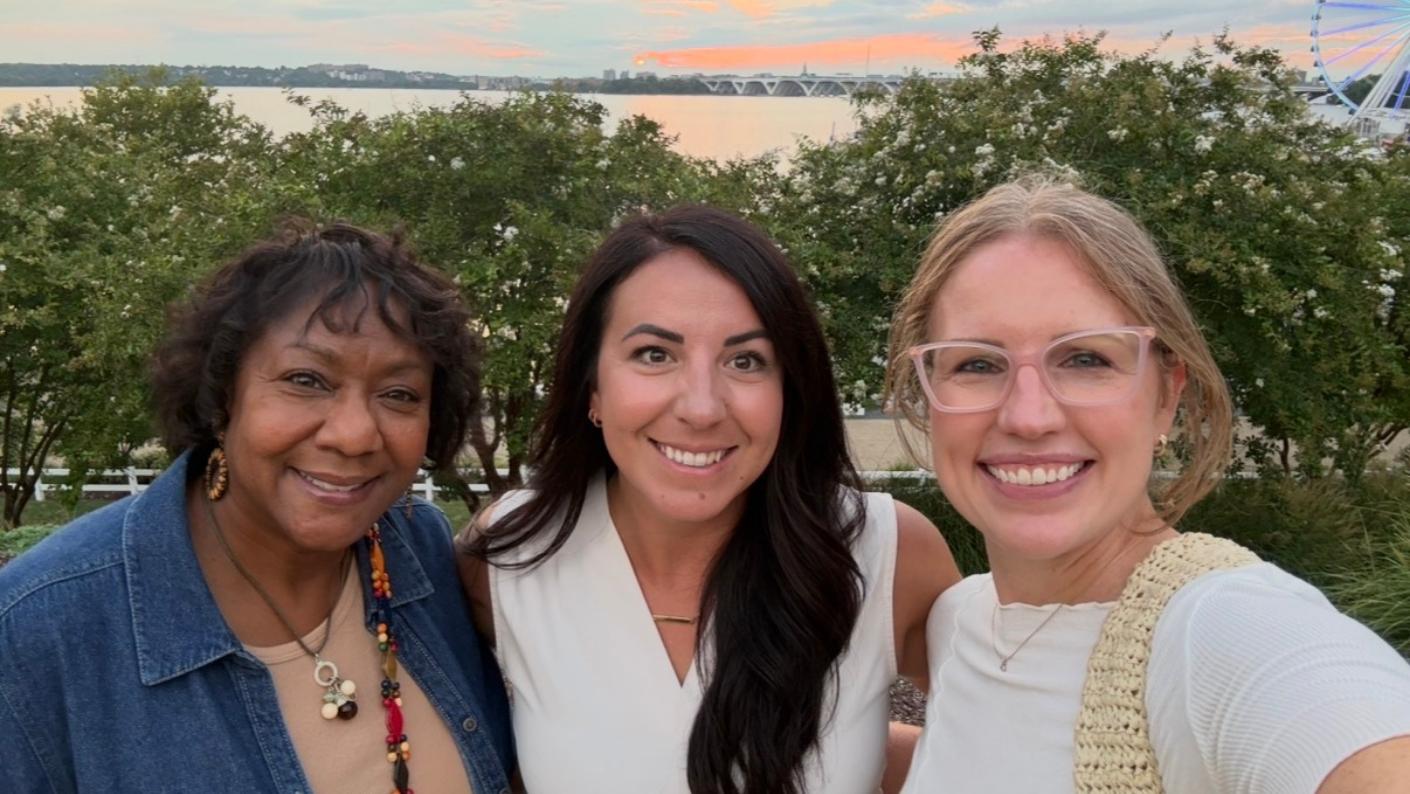
One of my favorite things about Bridge isn’t what happens on stage, although the lineup was impressive this year. It’s what happens after.
The conversations that spill into hallways as people leave a session. The debates that continue over dinner. The question someone asks at a booth that turns into a twenty-minute discussion. The ideas that follow you home and resurface days later when you’re back at your desk.
That’s where the real story is.
Coming into Bridge, I expected to hear conversations about AI, donor acquisition, retention pressure, donor trends, and changing donor behavior. Those topics were certainly there, but what surprised me was how often seemingly unrelated discussions pointed back to the same challenge.
Nonprofit leaders aren’t struggling because they lack ideas. They’re struggling because they’re navigating an overwhelming amount of information, opportunity, and change, all at once.
Whether the conversation centered on donor-advised funds (DAFs), artificial intelligence, omnichannel fundraising, technology investments, staffing constraints, or agency relationships, leaders seemed to be wrestling with the same question: How do we move forward with confidence when the landscape around us is evolving so quickly?
That question surfaced throughout the conference, and it shaped many of the conversations that followed us out of the room.
Donor-Advised Funds Have Moved from Emerging Trend to Strategic Priority
If there was one topic I heard most consistently throughout the conference, it was donor-advised funds.
The conversation wasn’t limited to formal sessions. It surfaced in booth conversations, partner meetings, networking events, and casual discussions between sessions. While nonprofit leaders recognize that DAF giving continues to grow, especially amid recent tax law changes, many organizations are still working through what that growth should mean for their fundraising strategy.
The questions weren’t tactical as much as they were strategic.
How should organizations engage DAF donors differently? What does stewardship look like when giving becomes less visible? How can nonprofits better identify these donors and create meaningful experiences that deepen their connection to the mission?
What was particularly interesting was how frequently those discussions expanded into broader conversations around personalization, donor experience, tracking, and data strategy. In many ways, the DAF conversation became a proxy for a larger challenge facing the sector: understanding how donor behavior is changing and how fundraising strategies need to evolve alongside it.
AI often entered those conversations as well, especially as leaders discussed how better segmentation, stronger data, and more personalized engagement could help build more relevant donor experiences. The focus wasn’t on technology for technology’s sake. It was on creating stronger relationships at a time when donor expectations continue to shift.
The Most Interesting AI Conversations Weren’t About Technology
AI remained one of the most discussed topics at Bridge, but the conversation felt noticeably different than it did even a year ago.
The question is no longer whether artificial intelligence will impact nonprofit organizations. Most leaders have already accepted that reality. What they’re trying to understand now is how to adopt these tools in ways that strengthen donor relationships.
One of the most talked-about moments of the conference was The Great AI Debate, BridgeTECH’s keynote session featuring AGP’s VP of AI, Ren John, alongside a Ben Childers, CEO at Stratovation Partners, Cheryl Contee, Chief Innovation Officer at BrightWorks AI, Nathan Chappell, Chief AI Officer at Virtuous, and Valerie Kurka, Individual Giving Manager at Rise Up Together, discussing AI’s role in the future of fundraising. The debate generated significant interest because they were wrestling with how to incorporate AI thoughtfully into their work, especially when it was already in the door. The biggest concern that surfaced was control. As AI becomes embedded in the platforms organizations already use, nonprofit leaders are asking what they can still influence, from governance and data usage to security and staff expectations. “Leaders don’t need to have every answer today, but they do need a clear framework to guide adoption as AI becomes more pervasive,” Ren shared. That starts with an AI policy and governance framework that defines approved tools, sets expectations for how staff use AI, establishes guidelines around organizational and donor data, and clarifies who is responsible for oversight.
The reaction in the room felt less like excitement over new technology and more like genuine curiosity about how nonprofit leaders can use AI responsibly. I watched as individuals in the room were actively translating those ideas into questions about their own organizations, donor experiences, staffing models, and engagement strategies.
That shift feels important.
The sector is moving beyond broad conversations about AI’s potential and into more nuanced discussions about ethics, implementation, authenticity, and trust. Those are healthy conversations, and in many ways, they reflect an industry that is becoming more sophisticated in how it thinks about emerging technology.
A Few Quotes Have Stayed with Me
Some conference insights disappear before the closing keynote. Others linger.
One of the sessions that has stayed with me most was Wisdom from the Well: Navigating the Hard Choices in Faith-Led Fundraising, where nonprofit leaders reflected on lessons learned through challenging seasons and shared perspectives on leadership, resilience, and the future of the sector.
Andrew Steele of Global Refuge offered a reflection that immediately made me pause, “Wisdom does not come from the moments at the top of the mountain. It comes from digging out of the valleys.”
His comments prompted a broader conversation about philanthropy, generosity, and how giving has changed over time. He shared memories of experiencing philanthropy in deeply visible and communal ways, watching people celebrate giving openly and joyfully as part of shared experiences.
That discussion connected powerfully with a question posed earlier in the conference by Laura MacDonald in her session, Stay the Course: Defying Disruption with Data and Resilience, “If giving is invisible, how can it be inherited?”
It’s a simple question, but one that has stayed with me. As more giving occurs online, through donor-advised funds, and behind digital experiences, how do we ensure generosity remains visible enough to inspire future generations?
Laura shared another observation that surfaced repeatedly in my mind throughout the week, “Constraints on giving are not tied to resources. They’re tied to confidence.”
That sentiment felt relevant far beyond philanthropy. It echoed many of the conversations happening throughout the conference about donor trust, organizational confidence, strategic decision-making, and leadership during times of uncertainty.
And then there was the quote that earned perhaps the loudest mix of laughter and agreement from the audience: “Jesus took naps. You can too.”
Humorous, certainly. But also, a reminder that leadership requires sustainability. At a time when nonprofit leaders are being asked to navigate rapid change, constant complexity, and growing expectations, the ability to rest and recharge may be more strategic than we often acknowledge.
What Nonprofit Leaders Need Most Right Now
One observation surfaced repeatedly throughout the conference, whether I was speaking with nonprofit leaders after a session, listening to conversations at the AGP booth, or connecting with peers between meetings. Organizations are feeling overwhelmed by complexity.
Leaders are managing more channels, more technology, more stakeholder expectations, and more pressure to demonstrate results than ever before. At the same time, they’re evaluating how artificial intelligence fits into their organizations, responding to shifts in donor behavior, overseeing lean teams, and making decisions about investments that will shape their future.
What struck me was that very few people were looking for another tactic to add to the mix. Instead, many were searching for clarity.
Several conversations centered around the desire for greater alignment across teams, technologies, and partners. Some organizations were exploring whether consolidating agency relationships could help simplify their operations. Others were evaluating fragmented technology ecosystems that make it difficult to create seamless donor experiences across channels.
Those discussions are particularly relevant because donors don’t experience organizations in silos. They experience relationships. They don’t distinguish between direct mail, email, digital advertising, social media, or stewardship communications. They experience the organization and the consistency, or inconsistency, of every interaction along the way.
That reality is one reason omnichannel fundraising continues to gain momentum. It creates a connected experiences that makes giving easier, more meaningful, and more relevant for supporters.
At the same time, our team also recognized that simplification isn’t always straightforward. Consolidating technology, partners, or programs can create efficiencies, but it can also introduce disruption if approached carelessly. Helping organizations move forward with greater confidence matters more than trying to eliminate complexity altogether.
That’s where I see a tremendous opportunity for agencies and strategic partners.
Several nonprofit leaders spoke openly about frustration with reactive relationships. They want partners who identify trends before they become urgent, who offer thoughtful perspectives on market shifts, and who bring meaningful recommendations instead of waiting to be asked.
The organizations navigating change most successfully aren’t necessarily the ones with the most resources. They’re often the ones surrounded by partners who help them make better decisions, ask smarter questions, and move forward with clarity.
What I’m Taking Home
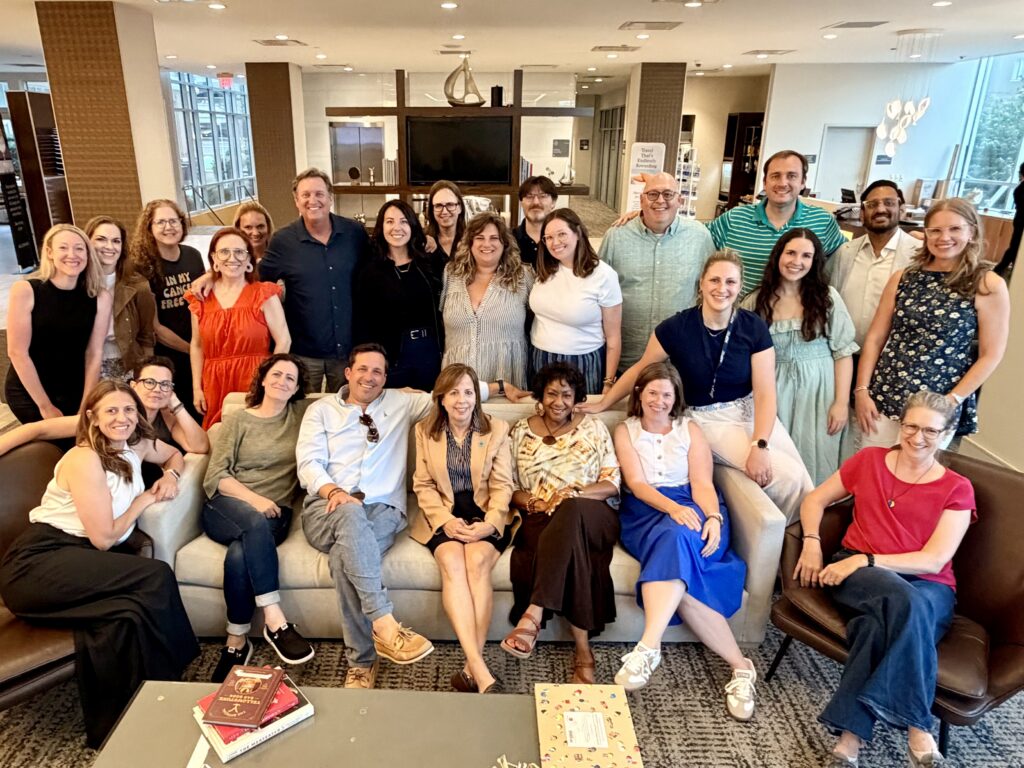
When I think back on Bridge, there isn’t a single session, speaker, or conversation that defines the experience for me. What stays with me most is the overall tone of the conference.
A year ago, many conversations across the sector felt dominated by uncertainty. Organizations were navigating economic pressure, shifting donor behavior, staffing challenges, and questions about what the future might hold. Those concerns haven’t disappeared, but this year I sensed something different beneath them. I sensed curiosity.
Leaders weren’t avoiding difficult conversations. They were leaning into them. They were asking thoughtful questions about donor-advised funds, exploring how artificial intelligence might strengthen their work, examining the future of donor engagement, and challenging long-held assumptions about fundraising strategy.
What felt encouraging was the willingness to engage with complexity rather than retreat from it.
Again and again, conversations returned to themes of trust, confidence, and relationships. Laura MacDonald’s observation that, “constraints on giving are not tied to resources, they’re tied to confidence” seemed to echo across the conference in ways both obvious and subtle. It surfaced in conversations about donor retention. It appeared in discussions about stewardship and transparency. It showed up when leaders talked about selecting agency partners, adopting new technologies, and making strategic investments.
Confidence, after all, is rarely built through information alone. It’s built through trust. Through consistency. Through relationships that help people feel seen, understood, and supported.
Perhaps that’s why one of the strongest impressions I left with had very little to do with technology or fundraising tactics.
The most compelling conversations were ultimately about people.
About belonging.
About helping supporters feel connected to something larger than themselves.
The tools available to nonprofits will continue to evolve. Donor expectations will continue to change. New technologies, platforms, and fundraising models will emerge. Those shifts are inevitable.
What won’t change is the need to cultivate meaningful relationships and create experiences that foster trust. Whether we’re talking about donors, volunteers, staff members, agency partners, or nonprofit leaders themselves, success will continue to come down to our ability to build genuine human connections.
That’s what stayed with me after Bridge. And it’s what I’ll continue thinking about long after the conference conversations have ended.
Want to keep the conversation going?
If you’re thinking about what these shifts mean for your fundraising strategy, pre-order AGP’s 2026–2027 Giving Outlook for a deeper look at the trends, donor behaviors, and opportunities shaping the future of fundraising.